
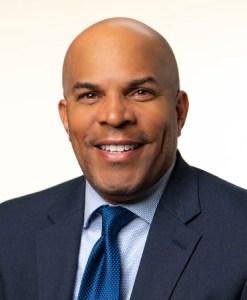
The SF Fed engages with businesses and communities across the region to gather real-time information on local economic conditions. These insights provide important context to quantitative data and analyses that the Federal Reserve uses to guide its monetary policy efforts.
We also work to connect constituents with research, expertise, and networks that strengthen local economies. In this way, regional engagement furthers the SF Fed’s mission of advancing the nation’s monetary, financial, and payment systems to build a stronger economy for Americans.
The Federal Reserve’s system of 12 Reserve Banks, with the SF Fed representing the western states, helps ensure that local and regional perspectives inform Federal Reserve policies, actions, and decision-making.
Here’s a snapshot of recent outreach in Arizona led by Shannon Smith, regional engagement officer at the Federal Reserve Bank of San Francisco.
As an Arizona-based Regional Engagement Officer for the Federal Reserve Bank of San Francisco, I strive to make meaningful connections with business leaders across the state. These frequent conversations provide real-time insights on local economic conditions and ultimately help inform monetary policy decisions at the Federal Reserve.
Data centers are a rapidly growing industry in Arizona. To get a better sense of the industry’s economic impact, growth, and challenges across the region, I toured several data center facilities, met with leaders in the industry, and convened multiple roundtable discussions in this space.
Growth
According to the Phoenix Business Journal, Arizona is ranked among the top 5 data center markets in the world.1 Currently, there are over 150 data center locations statewide with many more planned over the next three to five years.
Demand for data centers has surged due to the proliferation of artificial intelligence, cloud computing, e-commerce, internet of things (IoT) devices, and the increasing need for data storage and management. Consequently, technology companies are rapidly expanding their presence in Arizona. Some of the notable trends include:
- Investment Surge – Companies of all sizes are increasing investments into state-of-the-art data facilities.
- Infrastructure Expansion – Companies are developing large-scale facilities that accommodate increasing storage needs while emphasizing energy efficiency. This includes the adoption of innovative cooling systems and energy-efficient designs.
- Economic Impact – According to a February 2025 economic impact study from the Data Center Coalition (DCC), an organization that studies data center economic impact in the U.S., in 2023, Arizona data centers contributed $11.1 billion to Arizona’s Gross Domestic Product (GDP) and generated $2.3 billion in local and state revenue between 2021 and 2023.2
- Job Creation – As data centers increase, job opportunities in tech and engineering are expanding. In 2023, the DCC reported that Arizona’s data center industry created nearly 109,000 new jobs.3
Challenges
Across the various conversations I had with data center leaders, a common theme was the need for more “people and power.”
Regional leaders frequently referenced the ongoing need for skilled labor in this rapidly growing industry. The leader of an IT industry organization emphasized that the data center sector is in severe need of talent. They added that some groups are taking on the challenge by partnering with high schools and colleges to train students to support the need.
Local leaders also emphasized the need to develop and access a self-sustaining energy source that can accommodate the demands of data center facilities and keep up with their growth.
More recently, I joined my SF Fed colleagues Louise Willard, Executive Vice President and Chief Information Officer, and Qiana Charles, Vice President and Regional Executive of the Los Angeles branch, to speak with a group of data center leaders in Arizona about current economic conditions within their industry.
Beyond the need for more power and people, we heard about their growth successes within Arizona as well as regulatory challenges related to alternative energy options (i.e., natural gas and nuclear energy) and special zoning for new data center construction. We also discussed topics like supply chain health and the impact of tariffs.
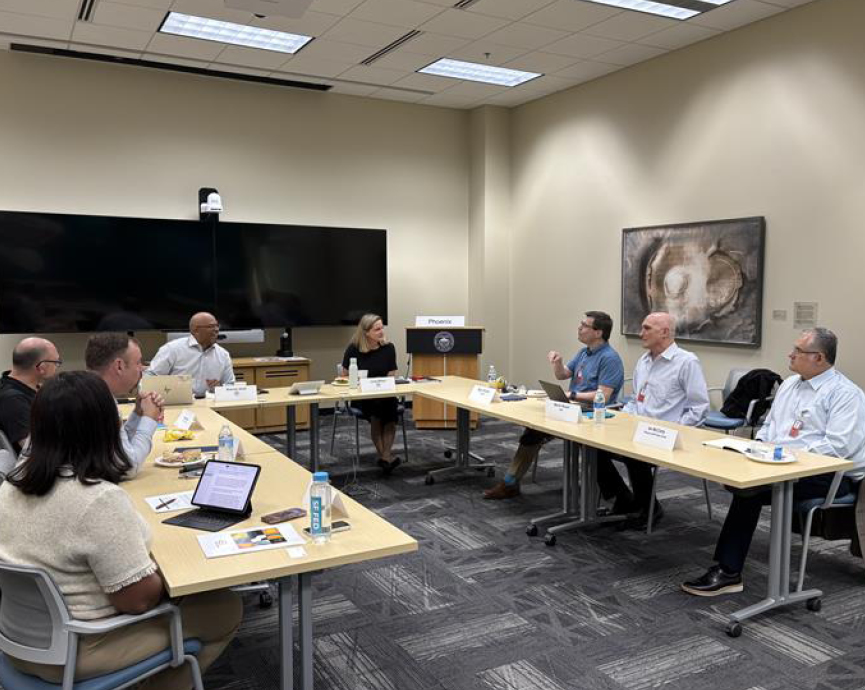
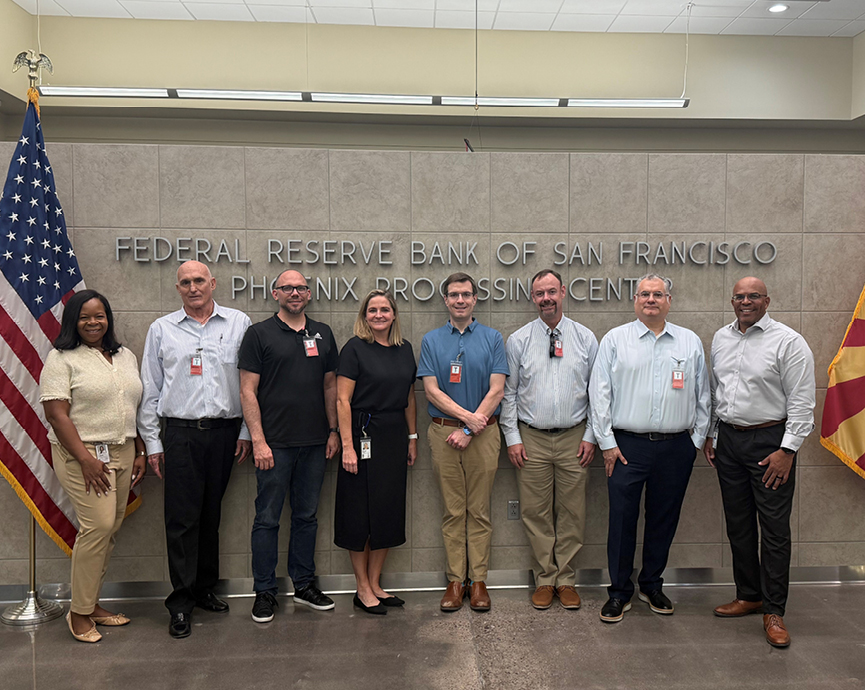


These conversations and perspectives underscore the importance of being present in the communities the SF Fed serves. These insights provide important context to quantitative data and analyses that the Federal Reserve uses to guide its monetary policy efforts.
We also work to connect constituents with research, expertise, and networks, that strengthen local economies. In this way, regional engagement furthers the Federal Reserve Bank of San Francisco’s mission of advancing the nation’s monetary, financial, and payment systems to build a stronger economy for all Americans.
End Notes
1. https://www.bizjournals.com/phoenix/news/2025/03/17/phoenix-strong-demand-for-data-centers.html
2. The DCC Impact Study PwC, Economic, Environmental, and Social Impacts of Data Centers in the United States, February 2025
3. The DCC Impact Study PwC, Economic, Environmental, and Social Impacts of Data Centers in the United States, February 2025
Related:


The views expressed here do not necessarily reflect the views of the management of the Federal Reserve Bank of San Francisco or of the Board of Governors of the Federal Reserve System.