Data and Indicators
-

Comparing News Sentiment in the Time of COVID-19 to the 2008 Financial Crisis
The Daily News Sentiment Index can be used to assess how sentiment responded to the COVID-19 crisis compared to the 2008 financial crisis. News sentiment declined at a similar pace and scale during both crises but recovered more quickly in the financial crisis.
-

WATCH NOW – 3D Public Servants: The Courage to Be Human
SF Fed President Mary C. Daly shares her talk meant for SXSW 2020: “3D Public Servants: The Courage to Be Human.” In our current environment, the key message — that we all have to be willing to see, and be seen by, each other in three dimensions — is perhaps more important today than it’s…
-
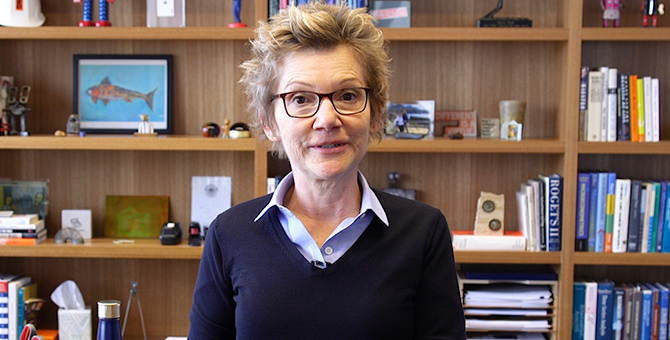
WATCH: President Daly’s Message on COVID‑19
As the coronavirus situation evolves, the Federal Reserve Bank of San Francisco is committed to being part of the solution. President Mary C. Daly shares how we’re supporting our employees, our communities, and the nation during this challenging time.
-
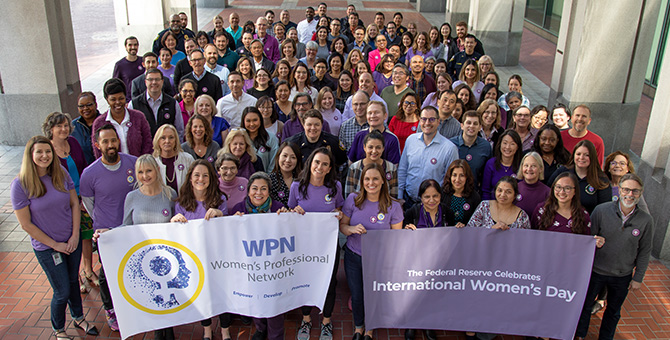
Celebrating International Women’s Day, ‘An Equal World is an Enabled World’
For International Women’s Day 2020, employees from all of our branches wore purple to honor women’s achievements, and show their commitment to fighting bias and challenging stereotypes.
-
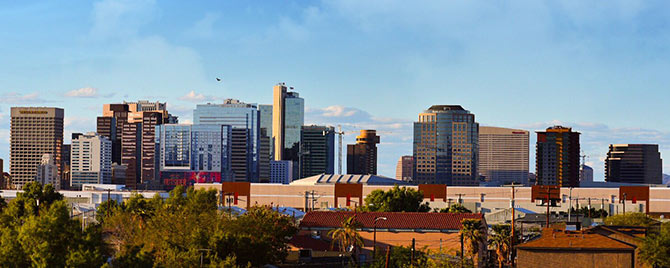
What Brought the Fed to Phoenix?
Back in the 1990s, the Fed didn’t have a presence in Phoenix. Today we have a fully-automated cash processing center. Here’s the story.
-

The Finer Points of Cyclical and Acyclical Inflation
For some goods and services, prices change with economic growth while for others they don’t. Our research method makes the distinction to improve our understanding of inflation. Here’s what you need to know.
-
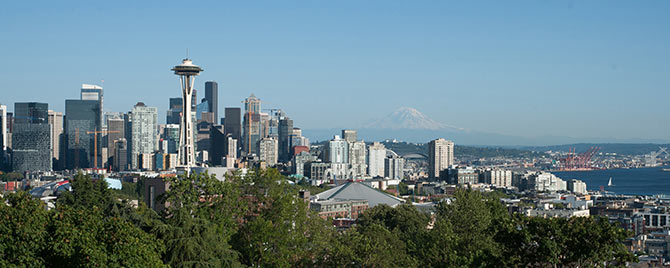
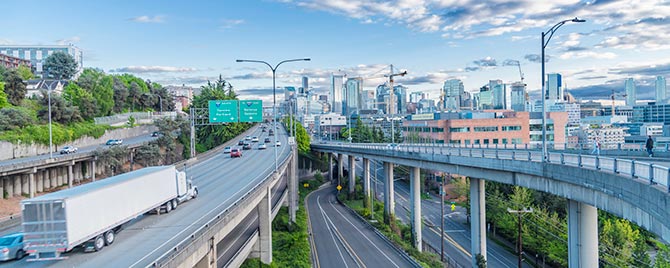
Why Our Seattle Branch Is in Renton, Washington
Did you know our Seattle branch used to be in downtown a couple blocks from the famous Pike Place Market? Here’s why we moved.
-
Native Communities
The Federal Reserve’s 12th District is home to 420 of the country’s 567 federally recognized Indian tribes, or about 74 percent. In addition, our district includes other indigenous populations, such as those situated in Hawaii and other Pacific islands. Many of these communities face some of the highest concentrations of poverty in the United States.…
-
Fed Listens San Francisco Highlights
Who benefits and who gets left behind in a hot economy? Takeaways from our Fed Listens community event.
-

San Francisco Fed Joins CEPR Global Research Network
The Federal Reserve Bank of San Francisco is pleased to announce its membership in the Centre for Economic Policy Research (CEPR), one of the largest global research networks in the field of economics.