Supporting Secure Payments and Integrity of Cash Supply
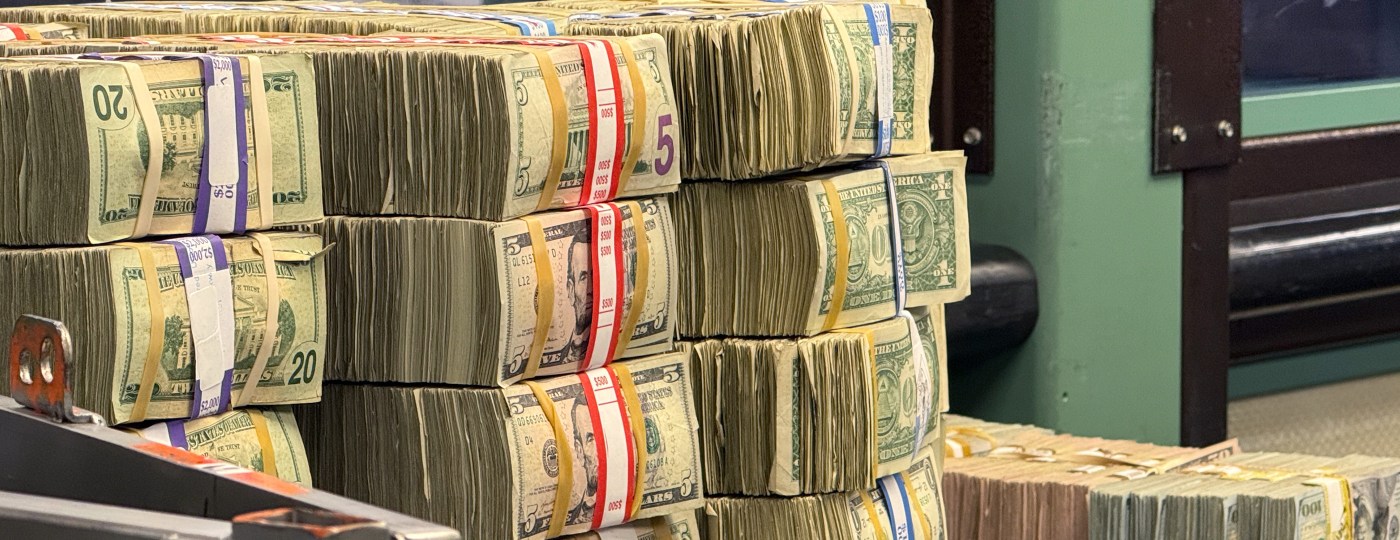
The Federal Reserve System’s Reserve Banks across the country keep money moving securely, from electronic payroll deposits to instant payments to physical cash. In this critical role, Reserve Banks ensure the security and resiliency of the nation’s payment system and the quality and integrity of its cash supply.
Throughout the Twelfth District, the San Francisco Fed ensures that cash is readily available to banks and credit unions to meet the public’s needs and certifies the authenticity and quality of the banknotes it processes and circulates.
Twelfth District
Cash Services
Within the Twelfth District, the San Francisco Fed has five cash processing facilities, including one that supports the largest domestic currency volume of any site in the Federal Reserve System. Together these facilities support over 750 financial institutions.
To ensure that these institutions have enough currency and coin and that the currency is genuine and fit for commerce, the San Francisco Fed processes more than 20 million banknotes (or bills) across the Twelfth District every day.
Cash Operations
Footprint
Cash processing facilities are responsible for receiving currency from financial institutions, validating cash authenticity, and ensuring that financial institutions have ready access to cash even during critical or contingency events.
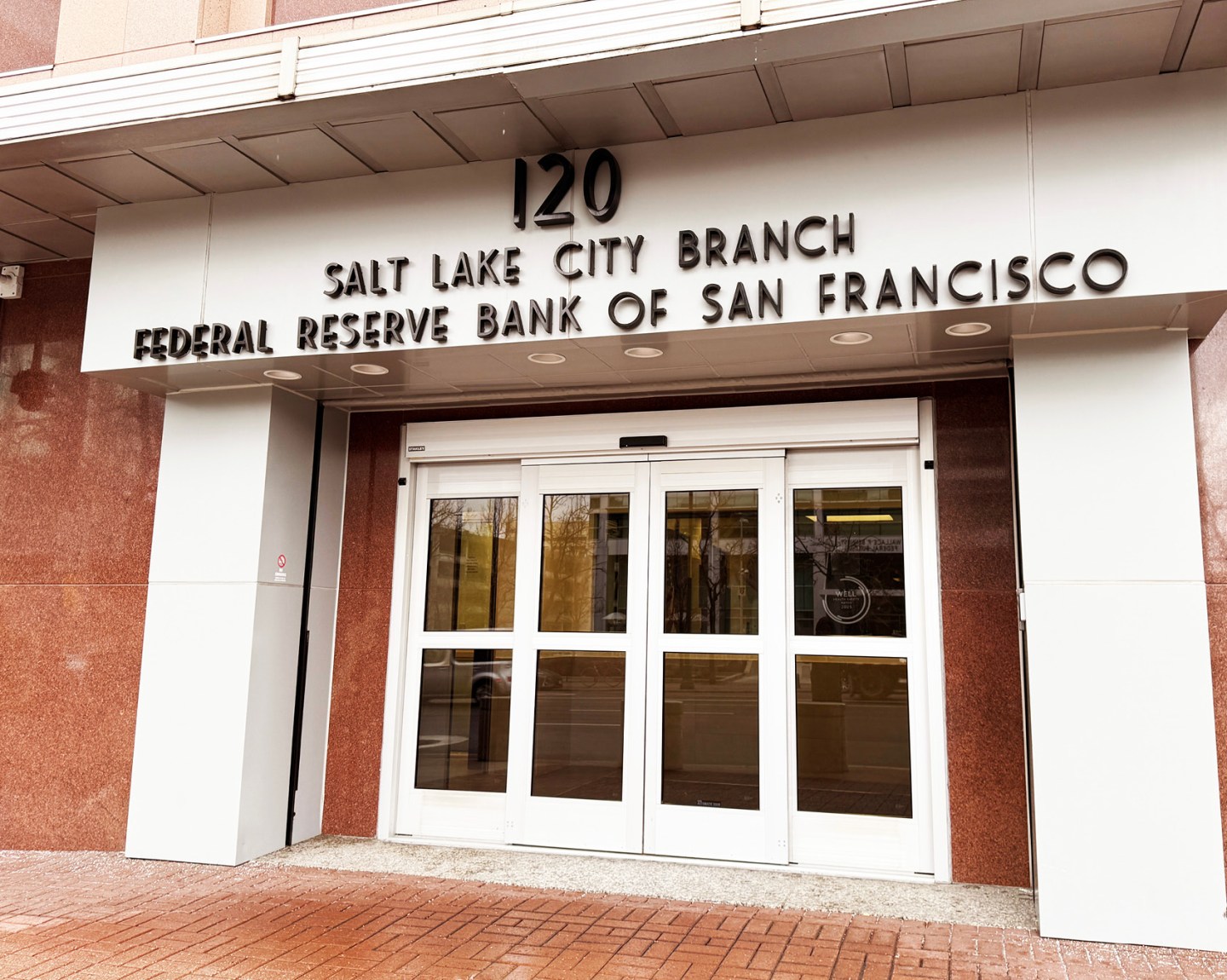
In the Twelfth District, the San Francisco Fed receives, processes, and distributes cash from its five locations in Los Angeles, Phoenix, Seattle, Salt Lake City, and San Francisco.
Banknote Processing
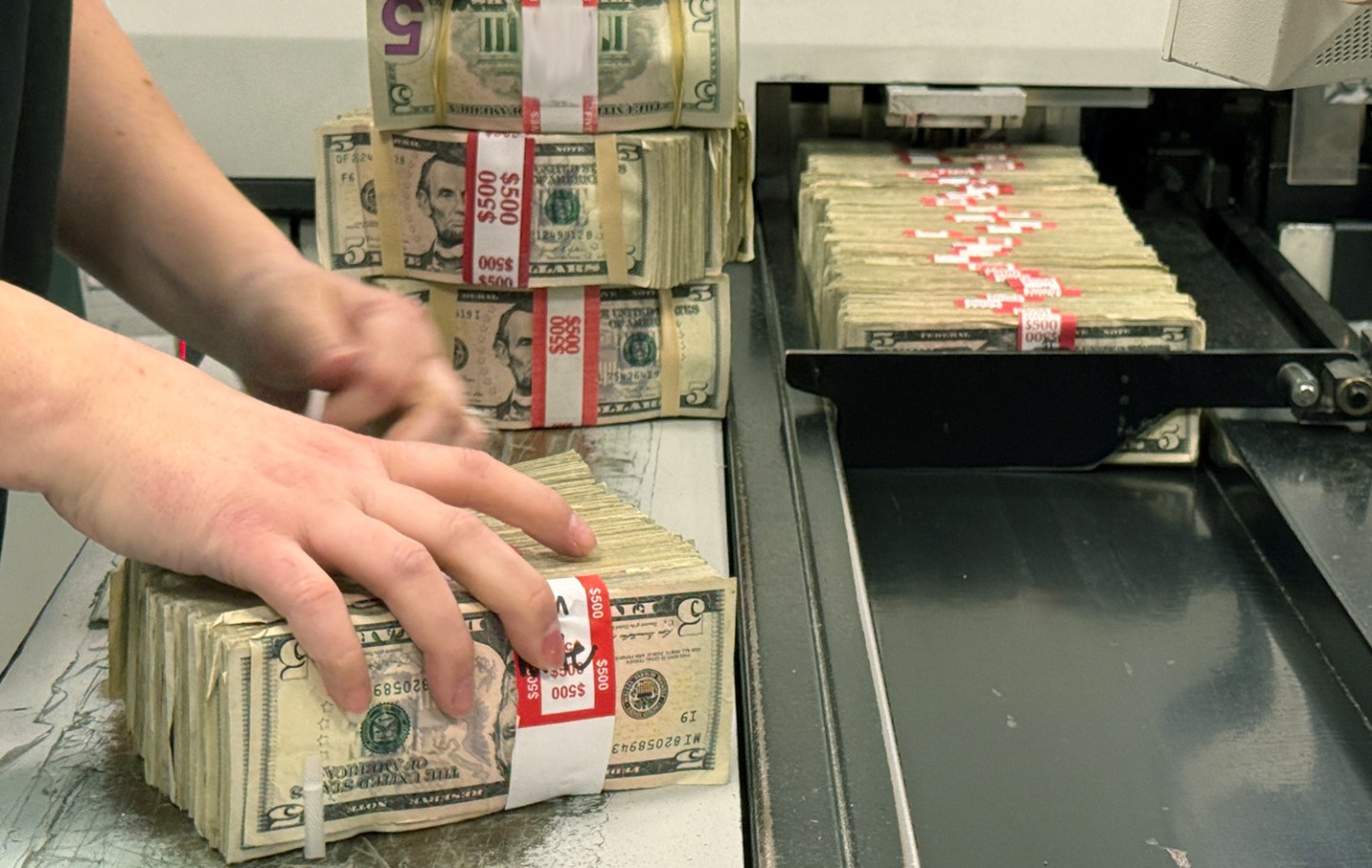
The San Francisco Fed strives to meet financial institutions’ demand for U.S. currency through timely, accurate, well-controlled operations.
Cash Distribution

When financial institutions in the Twelfth District need more currency or coin, they place an order with the San Francisco Fed, and it is delivered by armored carriers.

The currency provided is either newly printed banknotes from the U.S. Treasury’s Bureau of Engraving and Printing or previously circulated notes that have been sent to the San Francisco Fed and processed.
Cash Deposits and Processing
When financial institutions have more currency or coin than they need, they coordinate with armored carriers to deliver their surplus to the San Francisco Fed for deposit.

When these deposits are received, the banknotes are processed on machines that count them, check them to ensure quality, and shred any bills that are too damaged or soiled for recirculation.

As part of this processing, cash handling machines check currency for possible counterfeits.

Any potential counterfeit bills are sent to the U.S. Secret Service for investigation.
Stay connected with the SF Fed on social media:
Durability and Lifespan
Throughout their time in circulation, banknotes or “bills” can move back and forth between people, stores, restaurants, banks, and the Federal Reserve many times.
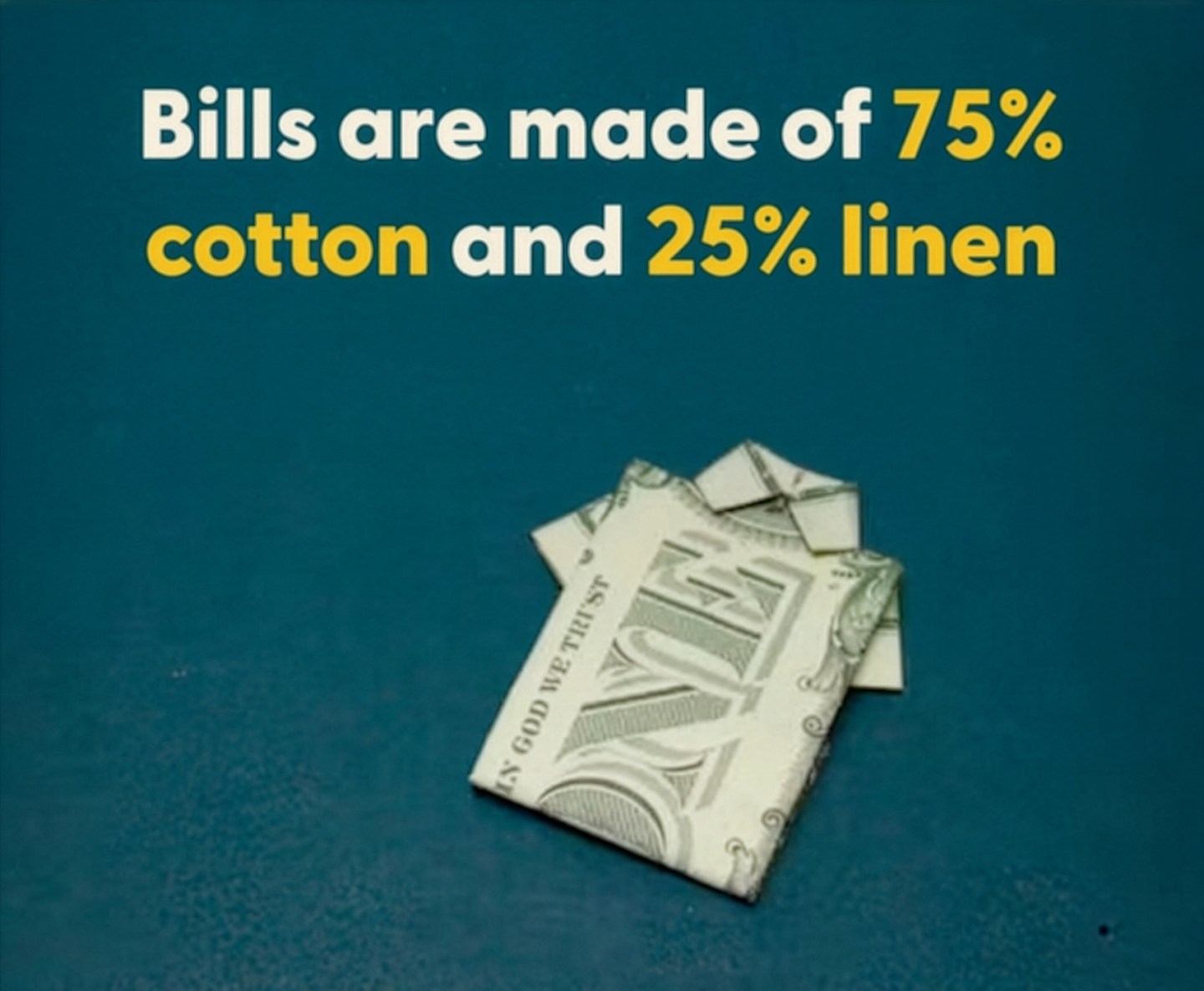
While a typical sheet of paper tears after 400 folds, U.S. bills can withstand up to 8,000 folds.
The lifespan of a bill varies by denomination and depends on a number of factors, including how the denomination is used by the public.
For example, larger denominations such as $100 notes are often used as a store of value, which means they pass between users less frequently than lower denominations such as $1 notes, which are more often used for transactions.
By recent estimates, the average lifespan of a $1 note is over seven years, while the $100 note has an average lifespan of 24 years.
Cash FAQ
What are the current denominations of U.S. currency notes (or bills) in circulation?
Today’s U.S. currency is available in several denominations: $1, $2, $5, $10, $20, $50, and $100 notes. The $100 note has been the largest denomination in circulation since 1969.
What are the security features on current U.S. currency notes?
Current U.S. currency notes include several security features to prevent counterfeiting, such as watermarks, security threads, color-shifting inks, microprinting, and raised printing. The redesigned $100 note, introduced in 2013, includes advanced security features like a 3-D security ribbon and a color-changing bell in an inkwell, making it easier to verify authenticity.
How is the lifespan of U.S. currency notes determined?
The lifespan of U.S. currency notes is determined by their quality and condition when deposited with a Federal Reserve Bank. Sophisticated processing equipment evaluates each note, and those that meet strict quality criteria continue to circulate. Notes that do not meet these criteria are taken out of circulation and destroyed.