Data and Indicators
-
![Balancing Passion with Practicality [SLIDESHARE]](https://www.frbsf.org/wp-content/uploads/balancing-passion-practicality-670x268.png?quality=100&w=670&h=268&crop=1)
Balancing Passion with Practicality [SLIDESHARE]
Launch a start-up or pursue a degree? No need to choose. Entrepreneurship programs provide students with simultaneous opportunities to achieve their business and educational goals.
-
How Can Native American Veterans Gain Access to a Benefit They Earned?
A federal program exists to provide more homeownership opportunities for Native Americans veterans on Indian reservations, yet less than one in six of the over 570 federally-recognized tribes have accessed the program. This is a program that Native American Veterans have earned but relatively few are able to enjoy the benefit.
-
![President Williams’ Views on the Value of Lifelong Learning [SLIDESHARE]](https://www.frbsf.org/wp-content/uploads/blog_john_c_williams_annual_report_essay.jpg?quality=100&w=670&h=268&crop=1)
President Williams’ Views on the Value of Lifelong Learning [SLIDESHARE]
San Francisco Fed President and CEO John C. Williams discusses the value of higher education as a foundation for lifelong learning. The arc of one’s life and career choices are influenced by the continuous pursuit of knowledge, and even lessons that don’t appear to have a pragmatic purpose are vital to our success later in life.
-

Does College Matter?
As the price of higher education continues to rise, does a college education’s return on investment still add up? A series of essays authored by San Francisco Fed President and CEO John C. Williams, Senior Vice President and Associate Director of Research Mary C. Daly, Research Associate Yifan Cao, and Senior Economic Education Manager Jody Hoff, argue that the answer is a resounding yes. The essays are included in the San Francisco Fed’s 2014 Annual Report, Does College Matter?
-
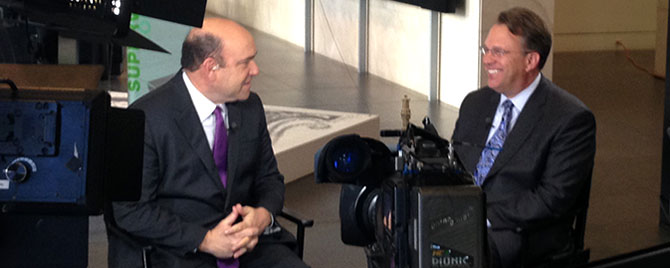
SF Fed’s Williams: Rate hike to be ‘data-driven, not date-driven’
The Fed is widely expected to raise the Federal Funds Rate from an unprecedented near zero level sometime this year. But in recent interviews, San Francisco Federal Reserve Bank President John C. Williams stresses that the decision will be “data-driven, not date-driven.”
-

San Francisco’s low-income residents are moving out
A growing number of fast-expanding technology companies, from Twitter to Salesforce, and their well-paid engineers and executives now call San Francisco home. But that’s increasingly difficult to do for individuals who make less than $35,000 a year, according to a recent report by the San Francisco Federal Reserve Bank.
-

Using data to improve lives in low-income communities
In the business trend called big data, technology is used to mine massive amounts of information to boost sales and profit. Businesses now use sophisticated software to comb through emails, Twitter and Facebook posts, and even smartphone signals to target customers or roll out new products. But while it’s revolutionizing the business world, could big data also be used for taking on poverty and other social challenges?
-
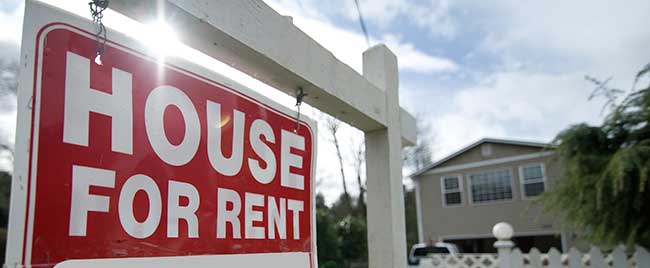
More single-family homes for rent: A trend in focus
More single-family homes were being built compared to the previous year as 2014 drew to a close, underscoring a strengthening real estate market. But another trend is drawing attention for its potential impact on the housing market and struggling families: a growing number of single-family homes are now for rent.
-

The San Francisco Fed at 100
The San Francisco Federal Reserve Bank celebrated its 100th anniversary last May. It’s an ideal time to reflect on the role the SF Fed has played in the major changes in the American economy over the past century. As SF Fed President John Williams said in a 2013 essay, the bank’s first hundred years was […]
-
Are San Francisco’s Low-Income Residents Moving Up or Moving Out?
We all know that San Francisco is an expensive place to live. While the data seems to indicate a city that is doing well on all fronts, it does not tell a complete story.